
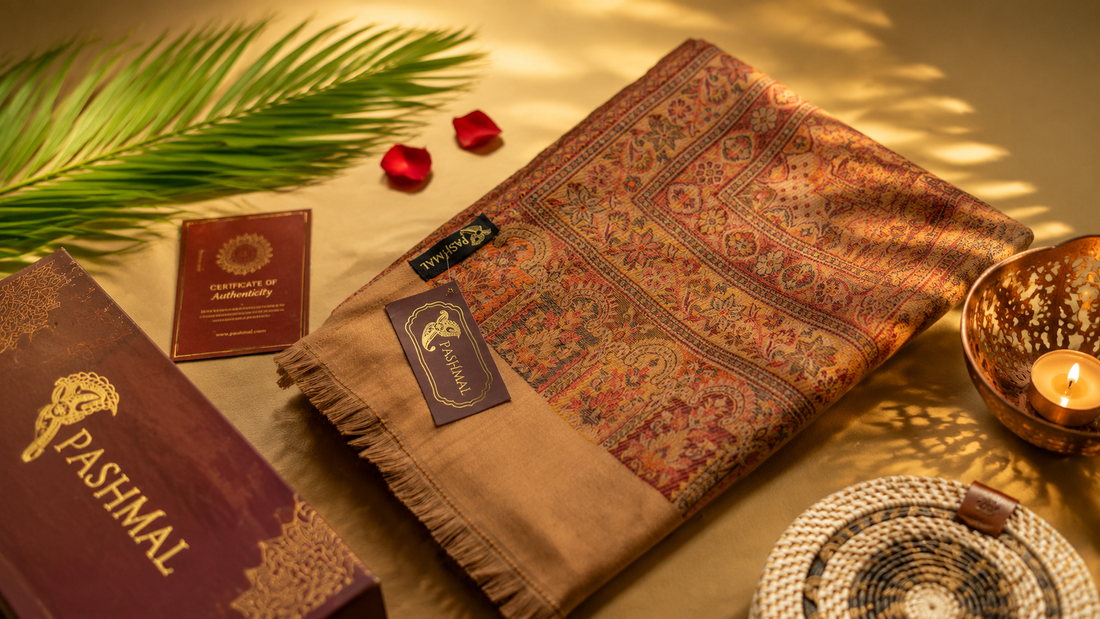
When buying a premium shawl, many people focus on color, embroidery, and design but overlook the most important factor, the fiber. Two shawls may look similar but feel completely different when worn because the material affects softness, warmth, durability, and overall elegance.
Understanding the difference between natural and artificial fibers helps you choose a shawl that matches your comfort, style, and investment. Whether you are selecting a shawl for weddings, gifting, festive occasions, or everyday elegance, knowing the fiber quality can help you make a better decision.
What Are Natural and Artificial Fibers?
Fibers are the foundation of every fabric. They determine how a textile feels, behaves, and performs over time. The biggest difference between natural and artificial fibers is their origin.
Natural fibers are obtained from natural sources such as plants or animals. In luxury shawls, popular natural fibers include pashmina, cashmere, wool, and silk. These materials are valued for their softness, warmth, breathability, and connection to traditional textile craftsmanship.
For centuries, natural fibers have been used in heritage textiles because they offer a unique feel and appearance. A genuine pashmina shawl, for example, is admired for being lightweight while providing excellent warmth.
Artificial fibers are created through manufacturing processes. Common examples include acrylic, polyester, and nylon. These fibers are designed to offer practical benefits such as affordability, strength, and easy maintenance.
A common misconception is that artificial fibers are always low quality. They can be useful for everyday fashion, but they usually do not provide the same natural texture, luxury appeal, or craftsmanship value as premium natural materials.
Natural vs Artificial Fibers: Key Differences Explained
The difference between natural and artificial fibers can be understood through their source, comfort, appearance, and usage. Both materials have their own advantages, but they serve different purposes.
Natural fibers are often preferred for luxury fashion because they provide a softer touch and better breathability. Fibers like wool and pashmina naturally help regulate warmth, making them comfortable for long periods.
Artificial fibers are popular because they are durable and convenient. They are often easier to wash, maintain, and use regularly compared to delicate natural textiles.
Feature |
Natural Fibers |
Artificial Fibers |
|
Source |
Derived from natural sources such as plants or animals |
Made from manufactured or synthetic materials |
|
Examples |
Pashmina, wool, silk, cotton |
Acrylic, polyester, nylon |
|
Feel |
Soft, breathable, and naturally comfortable |
Smooth, durable, and often designed for easy wear |
|
Luxury Appeal |
High due to rarity, natural quality, and craftsmanship |
Focused more on affordability, practicality, and performance |
|
Maintenance |
Requires careful handling and specialized care |
Generally easier to maintain and more resistant to wear |
One important factor buyers often miss is how a fiber affects a shawl's drape. Premium natural fibers usually fall more gracefully on the body, creating a refined look that enhances traditional and modern outfits.
Why Natural Fibers Make Luxury Shawls Special?
A luxury shawl is not defined only by its pattern or embroidery. The quality of the fiber plays a major role in its comfort, appearance, and long-term value.
Natural fibers like pashmina and cashmere are appreciated because they combine softness with warmth without feeling heavy. This makes them ideal for occasions where elegance and comfort need to work together.
Kashmiri shawl traditions demonstrate how fiber quality and craftsmanship create timeless fashion pieces. Skilled artisans carefully work with delicate materials to preserve their natural beauty while adding detailed designs.
Many buyers assume that a thicker shawl is always better for winter. However, thickness alone does not determine quality. Fine natural fibers can provide excellent insulation because of their unique structure.
When choosing a premium shawl, look beyond appearance and consider:
- Fiber origin and quality
- Softness and comfort
- Weaving and finishing details
- Ability to complement different outfits
A natural fiber shawl is often considered a long-term wardrobe investment because it combines fashion with heritage value.
Pashmina vs Synthetic Shawls: Which One Should You Choose?
Pashmina and synthetic shawls may appear similar from a distance, but their characteristics are different. Understanding these differences helps you choose according to your needs.
Pashmina shawls are known for their luxurious softness, lightweight warmth, and elegant texture. They are often associated with traditional Kashmiri craftsmanship and premium fashion.
Synthetic shawls made from materials like acrylic or polyester are designed for practicality. They can be affordable, durable, and suitable for frequent everyday use.
The better choice depends on the purpose of your purchase.
A natural pashmina shawl may be ideal for:
- Wedding occasions
- Luxury gifting
- Festive celebrations
- Timeless fashion collections
Synthetic shawls may work better for:
- Regular daily wear
- Travel use
- Budget-friendly styling
Another overlooked factor is emotional value. A handcrafted natural fiber shawl often represents tradition, artistry, and cultural heritage, making it more than just a fashion accessory.
Stole vs Shawl: Which One Should You Choose?
Stoles and shawls are both stylish accessories, but they create different looks and serve different purposes.
A stole is usually lighter and narrower, making it suitable for modern outfits, office wear, and casual styling. It adds a fashionable layer without creating too much volume.
A shawl is larger and offers more coverage. It is commonly chosen for weddings, traditional outfits, winter occasions, and statement looks.
Choose a stole when you want:
- Lightweight styling
- Easy layering
- A contemporary fashion touch
Choose a shawl when you want:
- More warmth
- Traditional elegance
- A premium statement accessory
Many women prefer having both because each accessory works differently with various outfits and occasions.
How to Carry a Shawl With a Suit Elegantly?
A beautifully styled shawl can enhance the appearance of a suit by adding texture, color, and sophistication. The key is selecting a draping style that complements the outfit.
For formal events, a simple shoulder drape creates an elegant appearance while allowing the suit details to remain visible.
For weddings and festive occasions, a fuller wrap style can add richness and make the shawl the highlight of the outfit.
Popular styling options include:
- One-shoulder drape: Place the shawl over one shoulder for a graceful and effortless look.
- Front wrap style: Bring both sides forward for warmth and a balanced appearance.
- Layered style: Pair a textured shawl with a simple suit for contrast.
A common styling mistake is choosing a shawl only because of its design. The best choice should also match your outfit color, occasion, and personal style.
How to Choose the Right Shawl Before Buying?
Choosing a premium shawl becomes easier when you evaluate more than just appearance. The right shawl should match your lifestyle, wardrobe, and purpose.
Before purchasing, consider these factors:
- Understand the fiber: Check whether the material is natural or artificial.
- Feel the texture: Quality fibers usually have a softer and more refined touch.
- Observe craftsmanship: Fine weaving and finishing indicate better artistry.
- Match your purpose: Consider whether it is for weddings, gifting, office wear, or daily use.
- Think about versatility: Select a shawl that works with multiple outfits.
A useful way to evaluate a shawl is through the 5F approach:
- Fiber: What material is used?
- Feel: How does it feel and drape?
- Finish: How detailed is the craftsmanship?
- Function: Where will you wear it?
- Fashion: How does it match your style?
A quality shawl balances material, craftsmanship, and personal expression.
FAQ's
What is the difference between natural and artificial fibers?
Natural fibers come from plants or animals, while artificial fibers are manufactured. They differ in comfort, texture, durability, and overall performance.
Is pashmina a natural fiber?
Yes, pashmina is a natural fiber valued for its softness, lightweight warmth, and traditional Kashmiri craftsmanship.
Are synthetic shawls good for winter?
Synthetic shawls can provide warmth and durability, but natural fibers often offer better breathability and comfort.
Why are natural fiber shawls expensive?
Their price is influenced by fiber quality, craftsmanship, rarity, and the time required to create them.
What is better for weddings: a stole or shawl?
A shawl is usually preferred for weddings because it provides a richer and more traditional appearance.
Choosing the right shawl starts with understanding what makes the fabric special. Whether you prefer the heritage appeal of natural fibers or the practicality of artificial materials, knowing the difference helps you invest in a piece that suits your style and needs.
Explore Pashmal’s collection of premium Pashmina shawls and luxury stoles crafted to bring together traditional artistry and modern elegance.


